Gambling.com — Feature Design
A spin-the-wheel interaction that turned a passive 30-operator oplist into a single committed click-through — shipped live on Gambling.com's highest-intent NZ market.
View live on Gambling.comMy Role
UX/UI Designer
Market
New Zealand
Type
CRO · Interaction Design
Status
Shipped
Context
The "No Deposit Free Spins NZ" page already pulled in bottom-of-funnel users — people actively searching for a casino offer, ready to convert. But with 30+ equally-weighted operators in the oplist, choice paralysis took over and click-through dropped.
The CRO brief was clear: design a moment of engagement that drives a user toward one operator — without compromising editorial integrity or affiliate disclosure.
The Problem
Choice paralysis is a known issue on comparison pages. When users are presented with too many options, they disengage. The existing oplist format — while comprehensive — gave users no reason to commit.
The solution needed to be lightweight, fun, and fast to act on, surfacing a single high-converting operator from the top 30 without feeling manipulative.
Constraints
The feature had to sit inside an existing editorial page without disrupting its content or ranking signals — no full-page takeover, no changes to the oplist. Affiliate disclosure had to stay transparent at every state. Engineering capacity was a single sprint, so personalisation was off the table. And operator logos couldn't be swapped — visibility issues on coloured backgrounds had to be solved in CSS.
The Solution
The feature works in three moments — a persistent CTA on the page, a spinning wheel animation, and a final reveal. Each state is designed to build anticipation and reduce friction to the click-through.
State 01
The Invitation
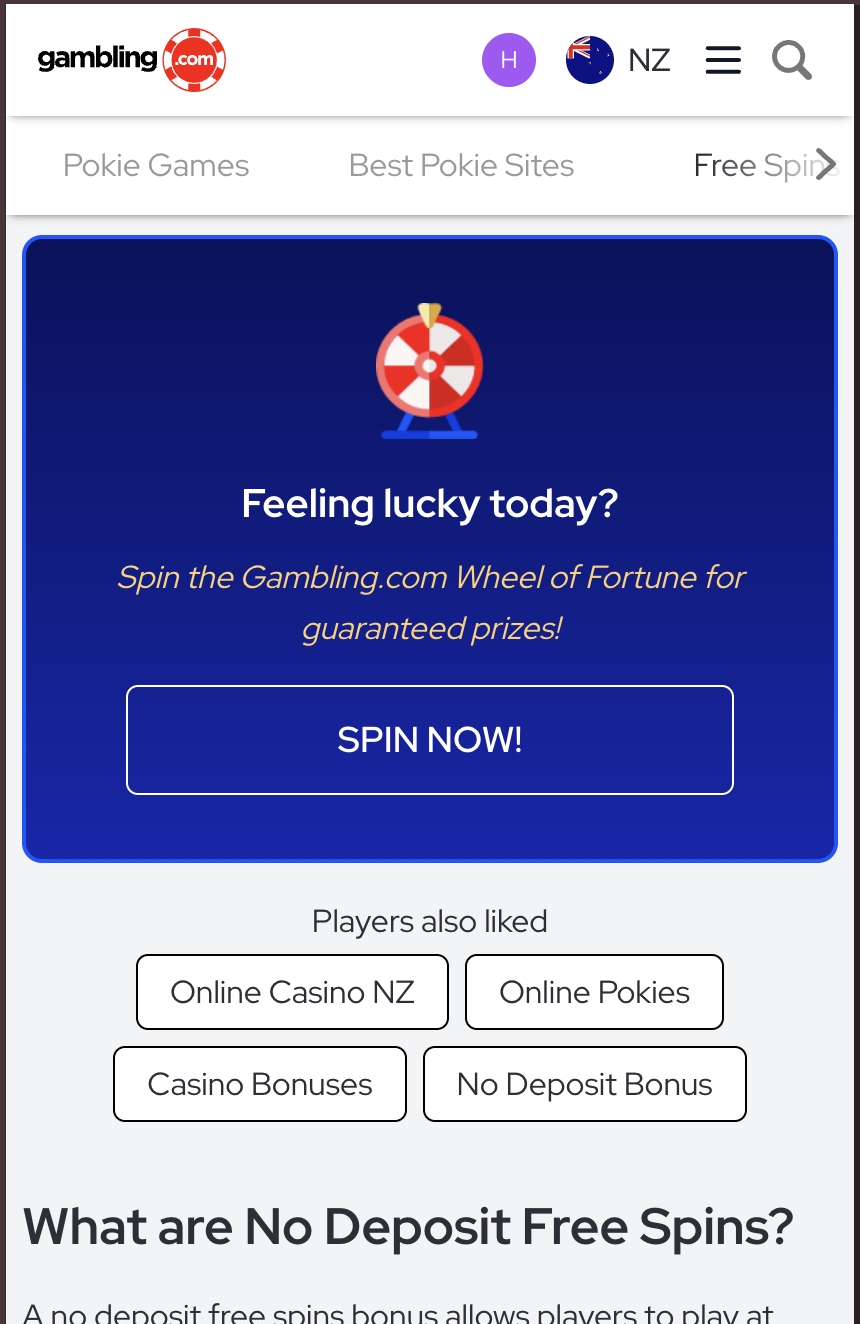
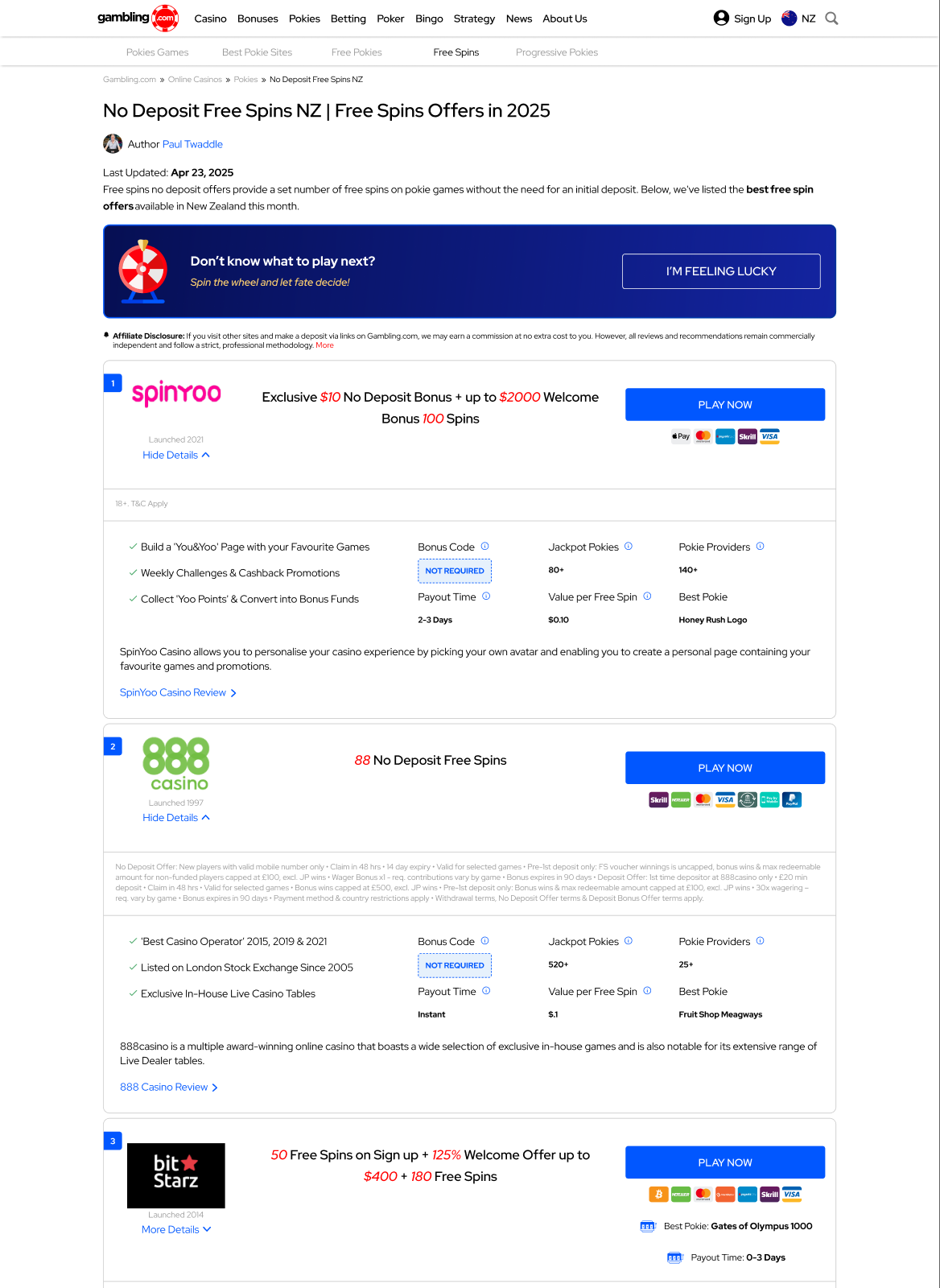
A persistent banner above the oplist with a wheel icon, a curiosity-driven headline, and a single bold CTA. Designed to interrupt the passive scroll without being intrusive.
State 02
The Spin
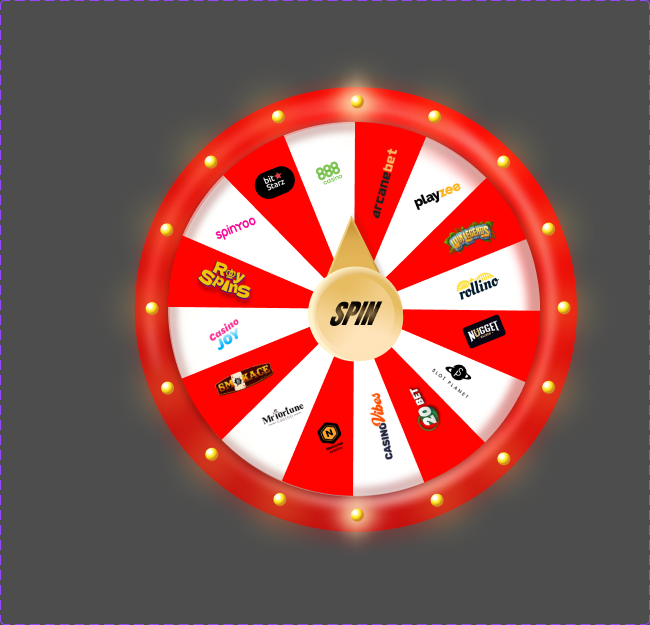
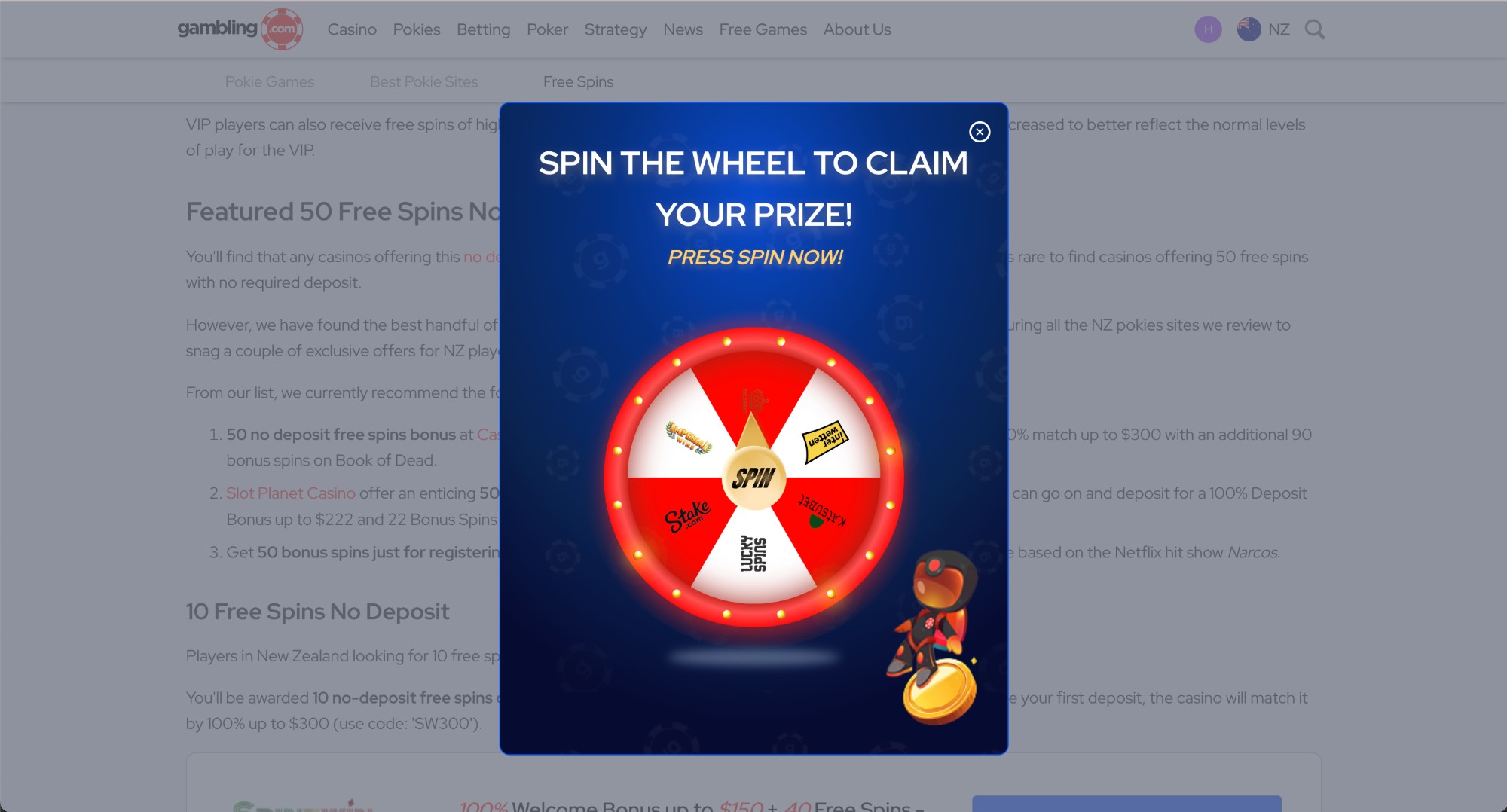
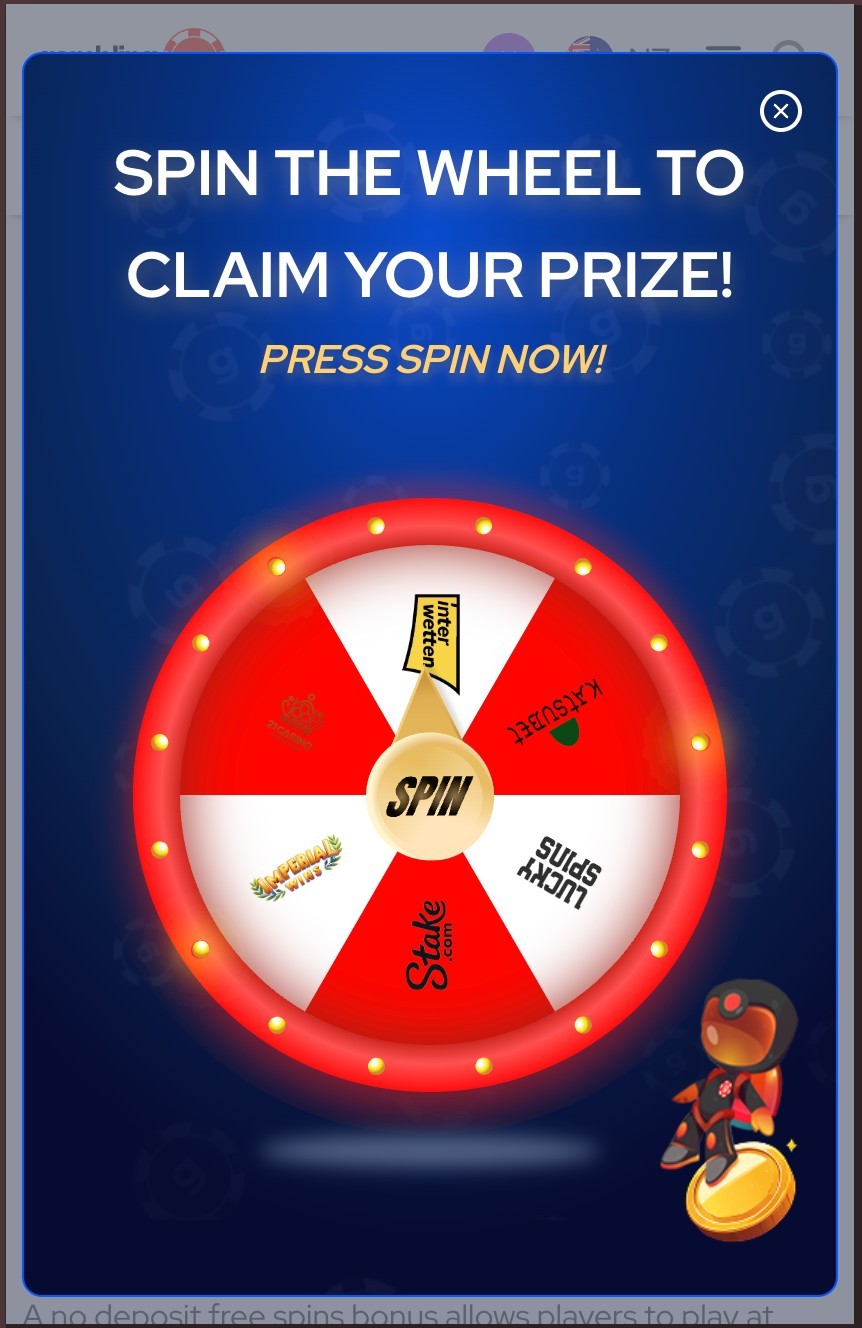
Clicking triggers a full-screen modal with a spin wheel cycling through operator logos. The animation builds anticipation — slowing before landing on the winner.
State 03
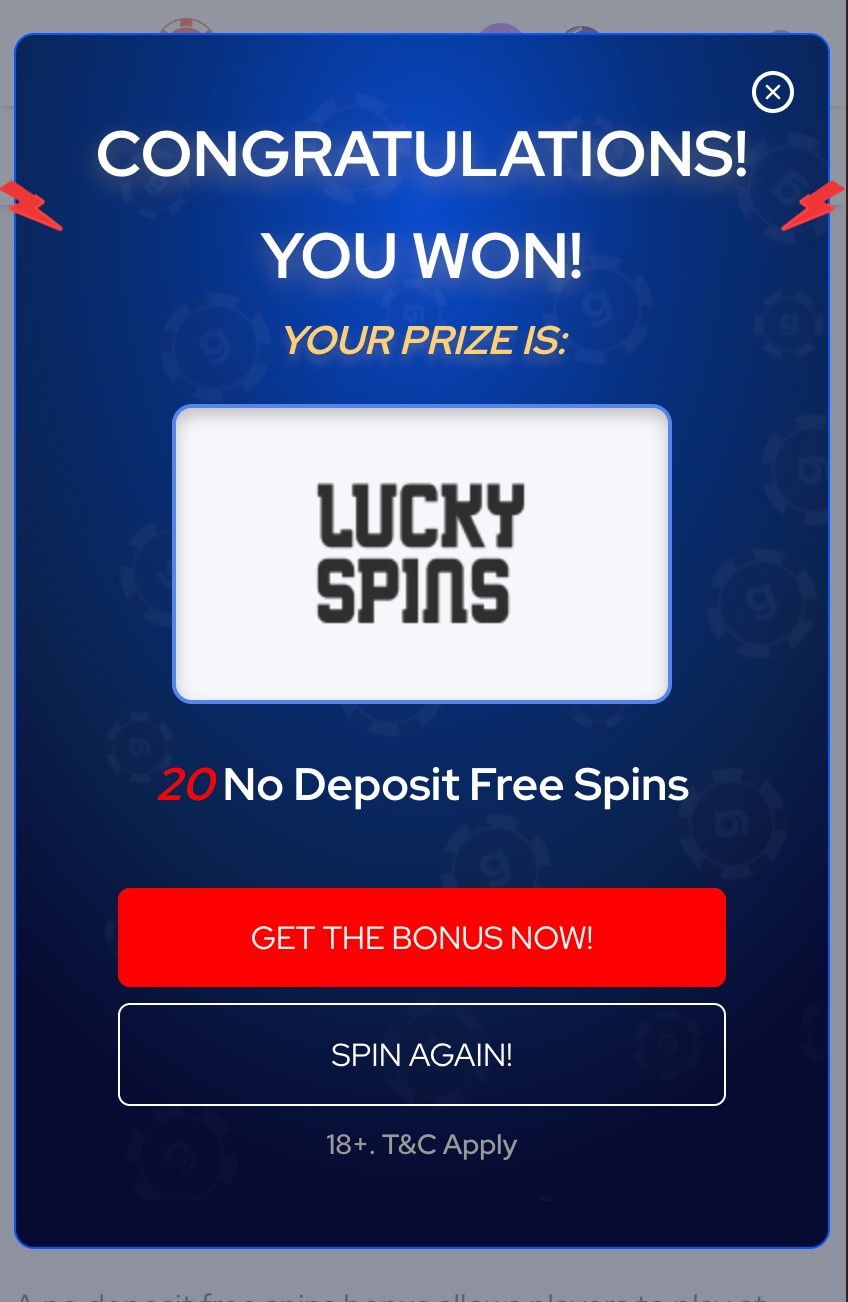
The Reveal
The popup resolves on a single operator from the top 30 — showing the brand, offer, and a prominent CTA. One clear action, no competing choices.
Process
Three approaches scoped against one test: does this actually break the scroll, or just decorate it? Only the wheel did — one result, no alternatives, built on a mechanic the audience already knew from the product category itself.
Cut: editor's pick highlight
Solved visibility, not commitment. Users could still scroll past it — the passive behaviour that caused the problem in the first place.
Cut: curated shortlist modal
Reducing 30 options to 3 was better — but 3 is still a choice. The problem was choice paralysis, not list length.
Shipped: single-result spin wheel
One result, zero competing choices. The spin mechanic is native to casino audiences — familiar, not gimmicky.
Iteration: modal scale
The first draft had the wheel fill the full browser window. Stakeholder review flagged it as overwhelming — the final version is centred and contained, keeping focus on the wheel and the result.
Designs
The full interaction was designed for desktop, tablet, and mobile — with screen recordings provided for each breakpoint as part of the handoff. The popup is fully responsive, adapting its layout for smaller viewports without losing the animation impact.
Live on Site
The wheel as it appeared in production on the NZ No Deposit Free Spins page. Operator logos are rendered using CSS contrast adjustments per segment — making each logo darker or lighter in code depending on the background colour — so every brand remained legible without replacing a single production asset.
Interactive Demo
The full interaction — CTA, spin animation, and result reveal — built as a functional prototype. Click the button or the wheel to spin.
Interactive prototype — Open full screen ↗
Design Decisions
Every aspect of the feature was designed around a single goal: get the user to commit to one operator without feeling pressured. The micro-decisions behind that goal shaped every component.
First test: banner above the oplist
The initial A/B test placed the feature above the oplist — intercepting users before they entered scroll paralysis. Post-launch engagement data showed the opposite worked better: users who had already scrolled the full oplist without committing were significantly more receptive. The feature was moved below the oplist based on that data and has stayed there since.
Slots animation over a simple spinner
The cycling wheel animation mirrors the language of casino gaming — familiar to the audience and inherently exciting. It also buys time for the "random" selection logic without feeling like a delay.
Top 30 pool, single result
Only showing one winner eliminates all residual choice paralysis. Pulling from the top 30 ensures commercial relevance while maintaining the illusion of true randomness.
Full editorial compliance
The affiliate disclosure and editorial independence messaging was preserved in the banner design — ensuring the feature met GDC's legal and editorial requirements from the outset.
CSS contrast over logo replacement
Some operator logos rendered invisible against the wheel segments — a known limitation of using existing brand assets on a coloured background. Replacing logos wasn't an option: it would have required a site-wide asset swap across all operators, which was out of scope and checked with compliance. My fix was to apply CSS contrast adjustments per segment — making logos darker or lighter in code depending on the background they sat on — so every operator remained legible without touching a single production asset.
The feature was greenlit for production within one review cycle — the Head of Growth's feedback focused on the interaction quality rather than requesting changes.
"I love that design, looks fantastic."
Head of Growth — Gambling.com
Outcomes
The feature shipped on the NZ No Deposit Free Spins page — one of Gambling.com's highest-intent markets. The first test placed the feature above the oplist, intercepting users before they browsed. Engagement data from that test showed a stronger signal when the feature sat below the oplist — users who had already scrolled through 30 operators without committing were significantly more receptive to the spin mechanic as a decision tool.
That data drove the iteration: the feature was moved below the oplist, a change confirmed in collaboration with the Head of Growth. It has remained in that position since — still live on the page today — and is referenced internally as a model for future spin-to-convert interactions on Gambling.com.
A passive oplist became interactive, and a user who engaged with the wheel committed to exactly one operator with a single click — with zero competing choices at the point of decision.
30→1
A passive scroll through 30 operators collapsed into a single committed click-through at the point of decision
↓ Below
Post-launch data moved the feature from above to below the oplist — stronger engagement where users had already browsed without committing
Still Live
Feature retained past initial review, live on Gambling.com's NZ market today, and referenced internally as a model for future spin-to-convert interactions
Reflection
If I were doing this again, I'd push for a formal A/B test from the start — even a lightweight one. The repositioning insight (above → below the oplist) came from post-launch engagement signal, but without a controlled split test it's directional rather than conclusive. Setting up the measurement framework before launch would have given cleaner data and a stronger case for rolling the pattern out to other markets.